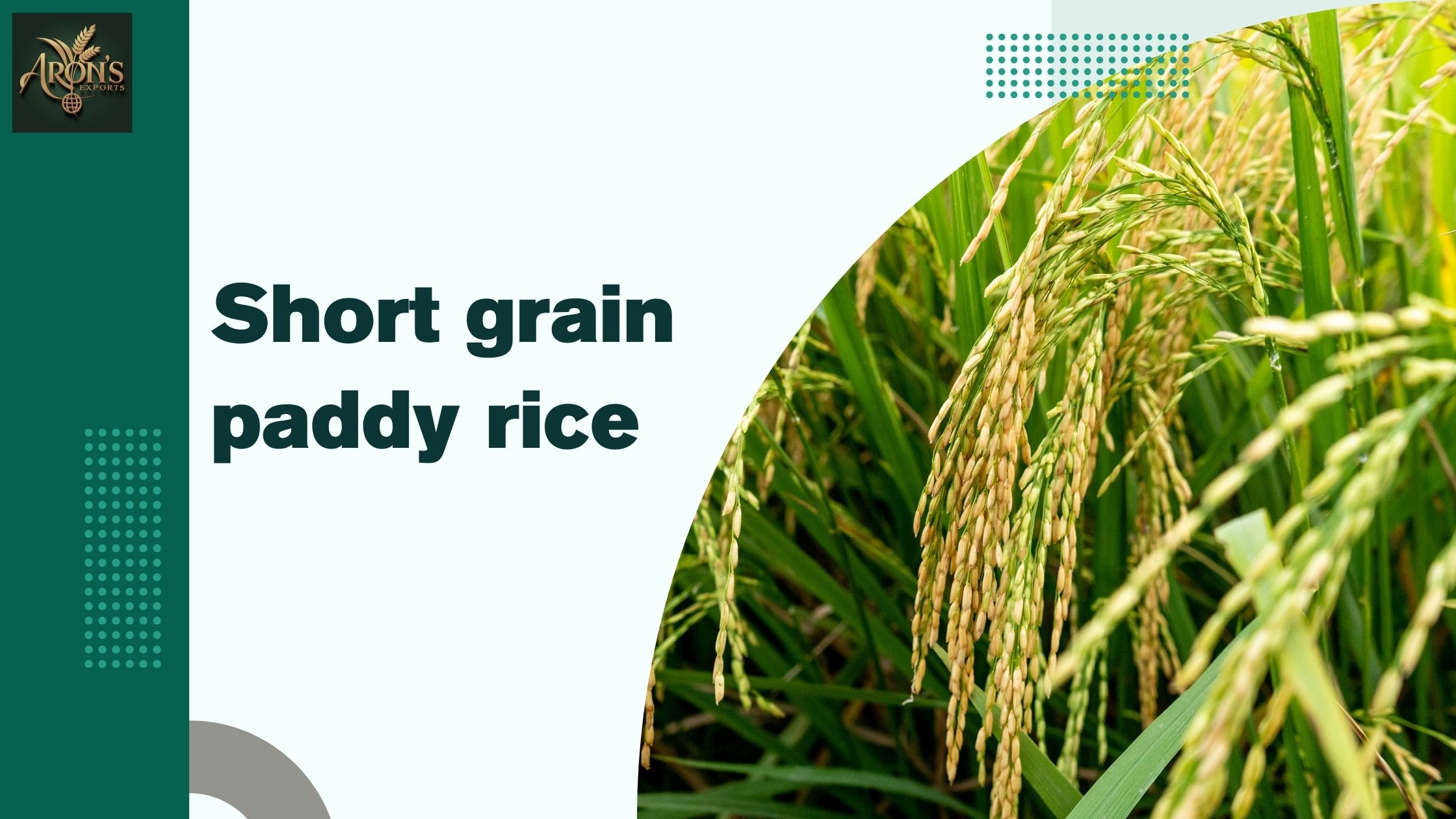
Short grain rice is cherished worldwide for its soft texture, sticky consistency, and rich flavor, making it ideal for dishes like sushi, risotto, rice cakes, and traditional Asian cuisines. As global demand for Short Grain Paddy Rice continues to rise, farmers are increasingly exploring this variety for both domestic markets and high-value international buyers.
At Aron, we work closely with growers to ensure they have the tools, knowledge, and resources needed for successful short grain rice cultivation. This guide provides a detailed overview of cultivation techniques, best practices, and strategies to help farmers maximize yields and quality.
1. Understanding the Nature of Short Grain Paddy Rice
Short Grain Paddy Rice is characterized by rounder, plumper grains that become soft and slightly sticky after cooking. Unlike long grain varieties that remain fluffy and separate, short grain rice absorbs more water and releases more starch.
Why Short Grain Rice Is Popular
Ideal for cuisines requiring adhesive texture
High demand in East Asian and specialty food markets
Premium price potential for export markets
Strong adaptability to both temperate and subtropical climates
Aron supports farmers by offering certified short grain varieties that are known for consistent performance and superior grain quality.
2. Selecting the Right Short Grain Variety
Choosing the right variety is the foundation of successful cultivation. Not all short grain rice types perform equally across different climates or soil conditions.
Key Traits to Look For
High tillering ability
Resistance to common diseases such as blast and blight
High amylopectin content (for desirable stickiness)
Stable performance during milling
Good grain uniformity
Popular short grain varieties include Koshihikari, Calrose, Japonica, and improved hybrid variants. Aron provides region-specific recommendations to ensure farmers choose varieties best suited to their climate.
3. Ideal Soil and Field Preparation
Short grain rice performs best in fertile, well-drained, clay-loam soils that retain moisture without causing prolonged waterlogging.
Recommended Soil Conditions
pH level between 5.5 and 6.5
High organic matter for good root development
Adequate nitrogen and micronutrient availability
Field Preparation Tips
Level the field thoroughly to ensure even water distribution
Apply decomposed organic matter before planting
Plow and puddle the field to create a fine tilth
Aron helps farmers access soil testing services and offers customized nutrient guidance based on soil profiles.
4. Seedling Preparation and Transplanting
Proper seedling management is essential for uniform crop establishment.
Steps for Seedling Production
Soak seeds in clean water for 24 hours.
Pre-germinate seeds for 12–24 hours.
Sow seeds in well-prepared nursery beds or trays.
Maintain adequate moisture and protect seedlings from pests.
Transplanting Guidelines
Ideal seedling age: 20–25 days
Plant spacing: 20 cm × 20 cm for optimum tillering
Plant 2–3 seedlings per hill
Aron supplies high-quality certified seeds to ensure strong germination and healthy seedlings.
5. Water Management Practices
Short grain rice thrives in consistent water environments but does not require excessive flooding. Efficient water management helps maximize yield and reduce disease pressure.
Best Watering Practices
Maintain shallow water depth (2–5 cm) during early growth stages
Increase to 5–7 cm during tillering for strong shoot development
Allow intermittent drainage to strengthen roots and reduce methane emissions
Keep field moist during grain filling to ensure uniform maturity
Aron advises farmers on modern irrigation systems and alternate wetting-drying techniques to conserve water.
6. Nutrient Management for High Yield
Balanced nutrition is crucial for achieving high-quality Short Grain Paddy Rice with excellent texture and milling properties.
Fertilizer Recommendations
Nitrogen: Apply in split doses—basal, tillering, and panicle initiation
Phosphorus: Apply as basal to support root development
Potassium: Important for grain filling and disease resistance
Zinc and Sulfur: Prevent nutrient deficiencies common in wetland soils
Organic alternatives like compost, rice straw mulch, and biofertilizers can improve soil structure and support long-term fertility. Aron provides custom nutrient programs to fit farmers’ soil types and budget.
7. Effective Weed, Pest & Disease Management
Because short grain rice fields often maintain higher moisture levels, they may be prone to weeds, pests, and fungal diseases.
Weed Control Strategies
Early hand weeding or mechanical weeders (cono weeder, rotary weeder)
Maintain proper water levels to reduce weed germination
Use organic mulching to suppress weeds naturally
Common Pests
Stem borers
Leaf folders
Rice bugs
BPH (Brown Planthopper)
Disease Concerns
Rice blast
Bacterial leaf blight
Sheath blight
Aron helps farmers access eco-friendly pest solutions and integrated pest management (IPM) strategies to reduce chemical dependency.
8. Harvesting and Post-Harvest Management
Short grain rice requires careful harvesting to preserve grain quality and reduce breakage during milling.
Harvesting Tips
Harvest when 80–85% of grains are golden yellow
Avoid harvesting during excessive rain or wind
Use sharp tools or mechanical harvesters to reduce grain shattering
Post-Harvest Steps
Dry grains to 12–14% moisture for safe storage
Store in clean, aerated conditions to prevent mold
Use proper milling equipment to maintain grain uniformity
Aron offers guidance on post-harvest handling to ensure farmers achieve premium market prices.
9. Market Opportunities for Short Grain Rice
Global demand for short grain rice is increasing, especially in markets such as Japan, Korea, China, the U.S., and Europe. The premium culinary appeal gives farmers opportunities for high-value sales.
Key Market Advantages
Strong export potential
High demand from specialty retailers
Attractive pricing for organic and premium varieties
Opportunities in food processing and premium packaged products
Aron connects farmers with buyers and provides market intelligence to help them secure profitable sales.
Conclusion: Growing Success With Short Grain Paddy Rice
Cultivating Short Grain Paddy Rice can be both profitable and rewarding, especially as global demand continues to rise. By selecting the right variety, preparing the field properly, managing water and nutrients efficiently, and maintaining strong pest control practices, farmers can achieve excellent yields and superior grain quality.
At Aron, we are committed to supporting every step of your cultivation journey—from seed sourcing and field preparation to post-harvest handling and market access. With our expertise and quality-driven approach, farmers can confidently grow short grain rice varieties that meet the highest standards in global markets.
Source: https://aronbaijnauth.com/gallery.php