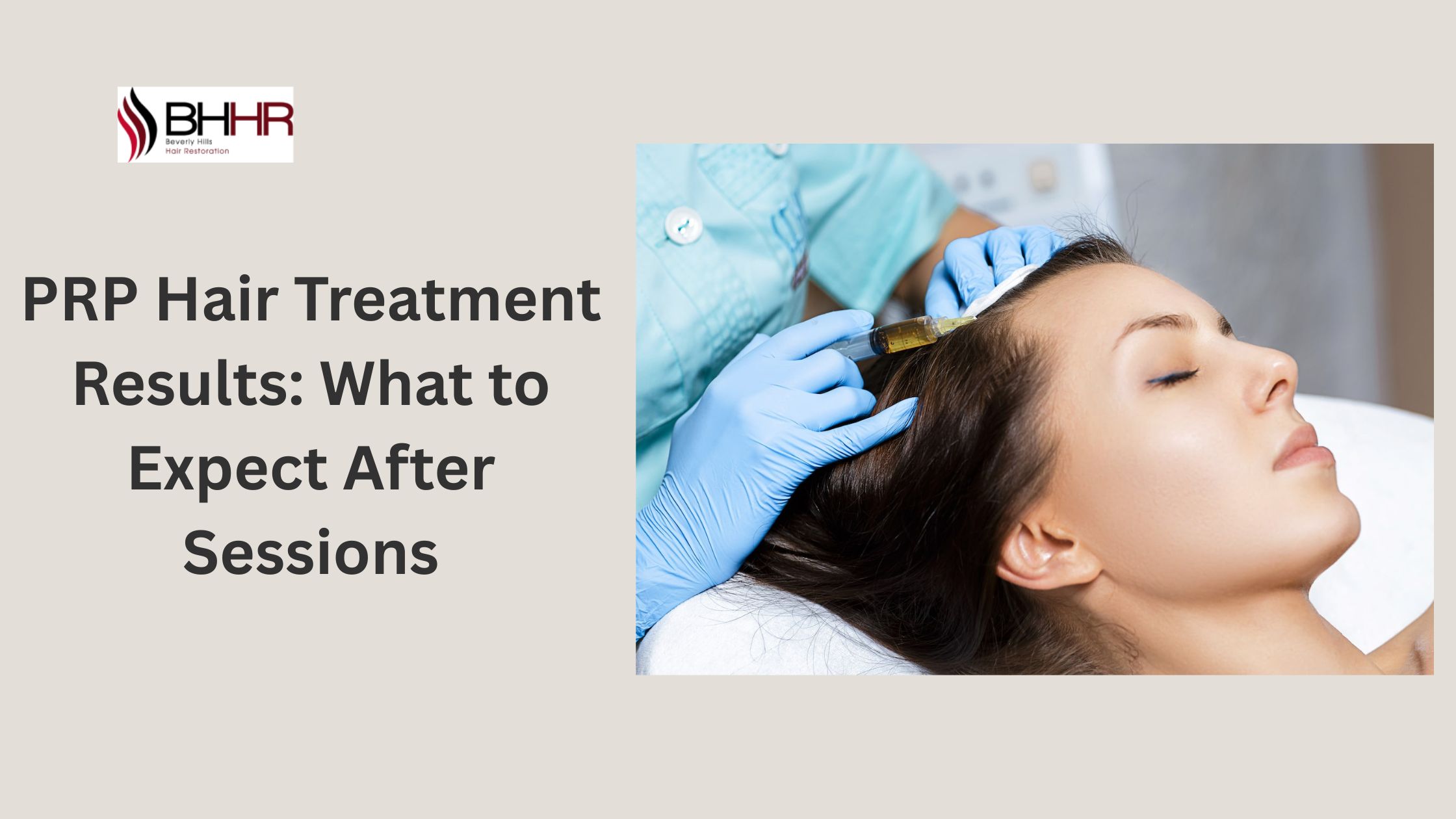
Hair loss is disturbing experience for both men and women. Thinning hair, bald spots often impact confidence and self-image. Fortunately, modern regenerative therapies have introduced effective, non-surgical solutions to restore natural hair growth. One of the most popular among them is Smart < a href ="https://www.beverlyhillshr.com/platelet-rich-plasma-prp-hair-restoration">PRP hair treatment</a>. This innovative therapy uses your body’s own plasma to stimulate hair follicles, encouraging stronger, thicker, and healthier hair growth over time.
What Is PRP Hair Treatment?
PRP Treatment stands for Platelet-Rich Plasma — a substance derived from the your own blood that contains powerful growth factors responsible for healing and tissue regeneration. In this treatment, a small sample of blood is drawn and the placed into a centrifuge, which are separates the plasma rich in platelets from other components. This concentrated plasma is inject into specific areas of the scalp affected the hair thinning.
The hair growth factors present in PRP help rejuvenate dormant or weakened hair follicles, improving hair density and promoting new growth. Because it’s an autologous procedure (using your own blood), the treatment is entirely natural and safe, minimizing the risk of allergic reactions or side effects.
How PRP Hair Treatment Works
PRP hair treatment works by targeting the root cause of hair loss—poor follicle activity and weak scalp circulation. Once injected into the scalp, the PRP releases bioactive proteins and growth factors that stimulate cellular repair. These growth factors increase blood flow to hair follicles, strengthen existing strands, and awaken dormant follicles to produce new hair.
Over time, the treatment helps extend the hair growth phase of the hair cycle, improve resulting in fuller, thicker hair. The process is gradual, but consistent sessions can lead to long-lasting results that look natural and blend seamlessly with your existing hair.
The PRP Hair Treatment Process
PRP hair treatment typically involves a few simple steps and requires minimal downtime.
Step 1: Consultation and Evaluation
The treatment begins with a consultation where your scalp, hair loss pattern, and medical history are assessed to determine if PRP therapy is suitable for you.
Step 2: Blood Draw and Preparation
A small sample of blood (usually from your arm) is collected and placed in a centrifuge. This process separates the platelet-rich plasma from red and white blood cells.
Step 3: PRP Activation and Injection
Once the plasma is prepared, it is injected into targeted areas of the scalp used a fine needle. The injections are strategically placed to cover regions with thinning hair or reduced density.
Step 4: Post-Treatment Care
After the session, patients may experience slight redness or tenderness, which usually subsides within a day. You can back to regular activities immediately, making PRP a easy option for those with busy schedule.
Each session takes about 45–60 minutes, and the results build gradually with repeated treatments.
Expected Results After PRP Hair Treatment Sessions
Since PRP treatment stimulates natural growth, results appear progressively over several months. Understanding the stages of improvement helps set realistic expectations.
1 to 4 Weeks: Early Recovery Phase
In the initial weeks, it’s normal to experience minor shedding as older, weaker hairs make way for new growth. The scalp may feel slightly sensitive, but there are no major restrictions or downtime.
1 to 3 Months: Activation of Hair Follicles
Around the second month, many patients start noticing subtle changes such as reduced shedding and a healthier scalp. Fine, new hair may begin to appear in areas previously thinning.
3 to 6 Months: Noticeable Volume Improvement
As the follicles respond to PRP, hair becomes thicker and stronger. Bald patches may start filling in, and overall texture improves. Patients often observe increased volume and coverage during this phase.
6 to 12 Months: Full Results and Maturation
The most visible transformation typically occurs between six months to a year after treatment. Hair looks fuller, denser, and healthier, with enhanced strength and resilience. Regular maintenance sessions every 6–12 months help sustain these results.
Benefits of PRP Hair Treatment
PRP hair treatment offers multiple advantages for those seeking a natural and effective results to restore hair growth.
Non-surgical procedure: No incisions or scarring are involved.
Natural and safe: Uses your own blood, reducing allergic risks.
Minimal downtime: Quick recovery allows return to normal activities the same day.
Boosts hair density: Thickens existing hair and stimulates new growth.
Improves scalp health: Enhances blood flow and follicle nourishment.
Because PRP relies on the body’s biological processes, it delivers gradual yet long-lasting improvements that appear natural and authentic.
Who Can Benefit from PRP Hair Treatment?
PRP treatment is suitable for both gender experiencing early to moderate hair thinning or shedding. It’s particularly effective for individuals who have:
Pattern baldness (androgenic alopecia)
Thinning due to hormonal changes or stress
Postpartum hair loss
Hair loss after illness or medication
Reduced density after a hair transplant
However, individuals with advanced baldness or underlying medical conditions affecting platelet function may not see optimal results. A thorough consultation helps determine candidacy and expected outcomes.
How Many Sessions Are Needed?
Most patients require a series of initial sessions spaced a few weeks apart. Typically, three to four sessions are recommended for the first phase, followed by maintenance treatments every six to twelve months.
The number of sessions needs depending on factors such as hair density, age, and response to treatment. Maintaining consistency is crucial for achieving the best long-term outcomes.
What to Expect After PRP Sessions
After each PRP session, it’s common to experience mild redness in the treated area. These effects usually fade within 24 hours.
For optimal healing and results, follow these aftercare tips:
Avoid washh your hair for 24 hours post-treatment.
Refrain from strenuous exercise or swimming for two days.
Avoid applying harsh hair products or heat styling for at least a week.
Follow any additional instructions provided your specialist.
Following the recommended care routine ensures that the growth factors work effectively within the scalp, leading to stronger and healthier hair over time.
Longevity of PRP Hair Treatment Results
The results from PRP hair treatment can last anywhere from 12 to 18 months, depend on individual response and maintenance. Regular follow-up sessions help maintain thickness and prevent further thinning.
Since PRP therapy enhances natural follicle activity, combining it with a rich diet, proper hydration, and stress management further supports long-term success.
Why Choose PRP Hair Treatment
PRP hair treatment is one of the most trusted non-surgical hair restoration options available today. It’s favored for its safety, convenience, and proven results. Patients who commit to the recommended treatment schedule often experience not only improved hair growth but also greater scalp health and overall confidence.
It bridges the gap between topical treatments and surgical hair restoration, providing noticeable and natural results without significant downtime or discomfort.
Conclusion
PRP hair treatment offers an innovative and natural approach to reversing hair thinning and promoting long-lasting regrowth. By using your body’s platelet-rich plasma, it revitalizes hair follicles, strengthens existing strands, and restores scalp vitality. Over several months, the transformation becomes visible—thicker, denser, and healthier hair.
At Beverly Hills Hair Restoration, patients receive personalized care and advanced PRP therapy tailored to their unique hair goals. With experienced specialists and state-of-the-art techniques, this treatment helps individuals regain their confidence and achieve naturally fuller hair.